“If you don’t beat them, you will not get the information you need instantly, to move on it”
We’ve heard all the stories about police brutality in America -but what about what’s happening right under our noses here in South Africa?
South Africa is currently experiencing an influx of police brutality cases. More than 3500 cases are reported each year and yet we sit here silently. I guess when you’re still classified as a developing country you don’t get as much media coverage about the “injustice” system. What we do get though is the title of being one of the most unsafe countries in the world. I mean this could very easily be justified, especially since now you are of the police brutalities that is on the rise (that is if you didn’t know before of course). So let’s see if we can dig a little deeper in to this and maybe become a bit more knowledgeable about the matter at hand.
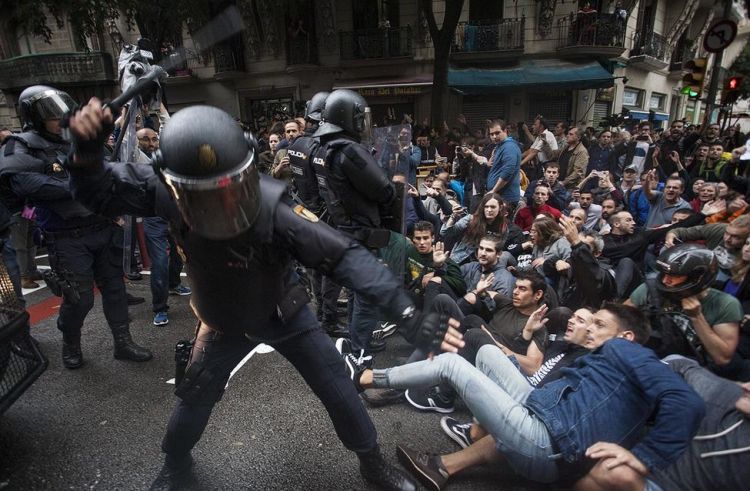
It has been 25 years since the end of apartheid and the beginning of a democratic nation, so why then are police still struggling to do their jobs in a democratic manner? It seems that our police force has inherited the culture of police brutality derived from our legacy of apartheid. Not only that, but the acceptance of such criminal behaviour by failure to hold the police accountable for their actions has been inherited. I am in no way condoning these actions but maybe we are then the ones to blame for the hindrance of change of our police force. This makes us far from reaching our ideal crime and violent free country.
Why is no one videoing these police brutality encounters and making that shit go viral? After all that is the only way the world listens -when things become a “hot topic”. This may not be the best solution but this has been going on for too long without anyone paying any attention to the truth -our policing style continues to resemble that of our apartheid regime.
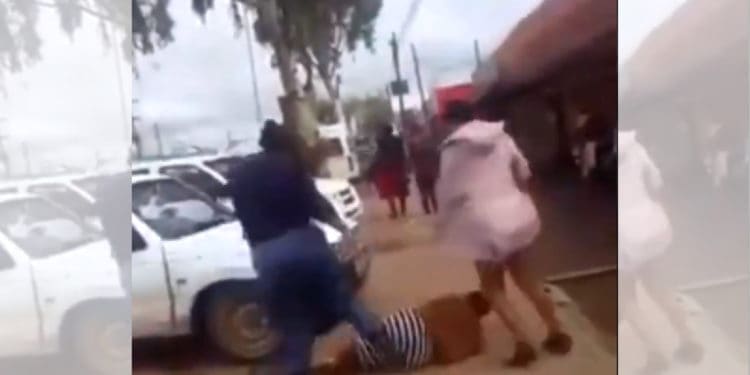
When I talk about police brutality I don’t just mean the odd shoving and planting of civilians faces to the ground. No, I mean beating, punching, kicking, slapping, strangulation and suffocation when subjects resist. The police are, of course, allowed to use force when the said subject resists, but only if “the suspect resists the attempt at arrest and flees” and “is proportional in the circumstance to overcome resist or to prevent the suspect from fleeing”. I mean this is obvious because why would we want the bad guys to escape. Police officers are, however, using unnecessary force -when the suspect is no longer a threat to society or the public at large and at times as a first resort to instil fear.
The very people who are tasked with serving and protecting us undermine the Constitution, the Bill of Rights and violate our basic human rights.
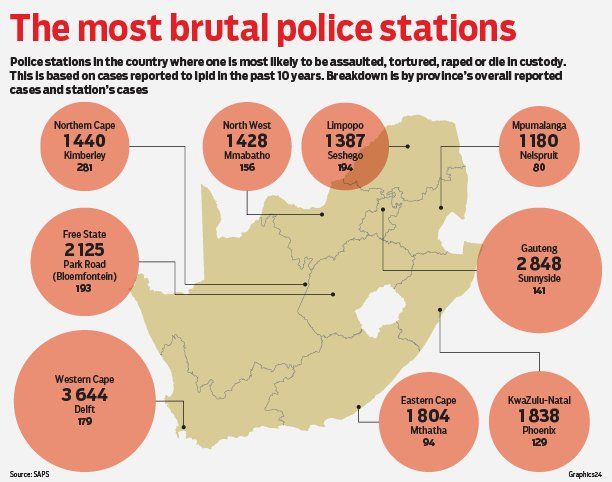
Now I know that it is not every police officer that is guilty of this crime, but those who know about it seem to be doing nothing about. All this does is create doubt in the public’s minds and they stop trusting our justice system (and they have every right to). After all, why should we place our trust in those who commit these offences?
It is clear that the mind-set of these police officers is not one that is new, but clearly embedded in the police culture. It may take a long time for them to undo their current mentality, but that is not a luxury that they have. The public has already lost confidence in them and will continue to question the motives of them until they start doing their jobs correctly.
 Real Talk